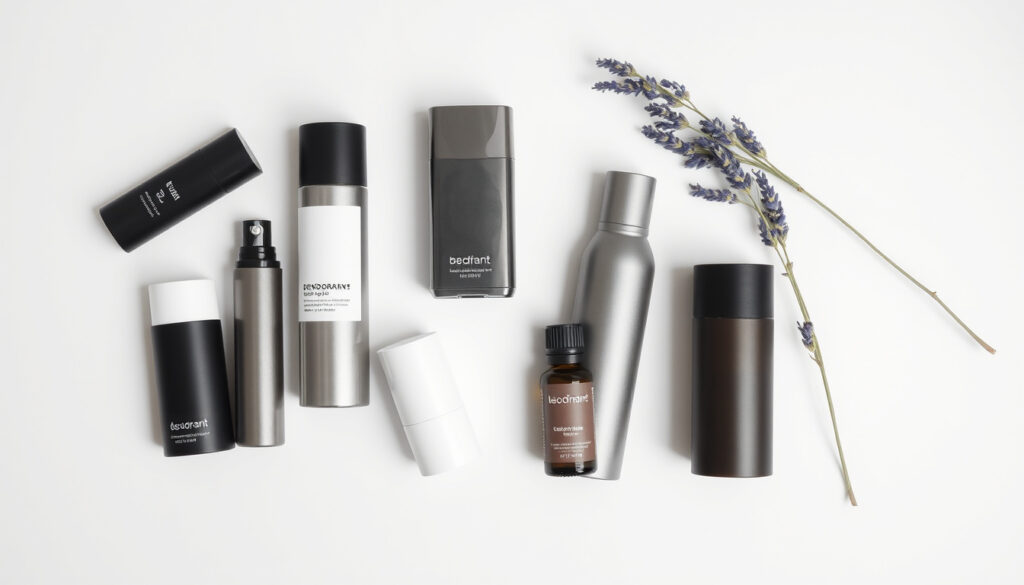
Best Deodorants for Women: Top Odor & Sweat Control Picks
There’s a reason the deodorant aisle keeps growing: no single product works for every woman. Whether you’re managing hyperhidrosis, navigating sensitive skin, or simply tired of reapplying midday, the right match depends on your body chemistry and your specific needs. We’ve combed through dermatologist recommendations, editor test results, and ingredient science to pinpoint the most effective deodorants for women in 2026.
Deodorant vs Antiperspirant: Deodorant targets odor; antiperspirant reduces sweat · Main ingredient types: Aluminum, natural, clinical · Target users: Sensitive skin, heavy sweating, odor control · Typical price range: $5 – $30 per unit
Quick snapshot
- Antiperspirants with aluminum salts reduce sweat and odor (Pinnacle Skin (dermatology clinic))
- Natural deodorants without aluminum can be effective for mild odor (DermOnDemand (telemedicine dermatology)) (Pinnacle Skin (dermatology clinic))
- Fragrance and baking soda can irritate sensitive skin (DermOnDemand (telemedicine dermatology)) (Pinnacle Skin (dermatology clinic))
- Long-term safety of aluminum in antiperspirants is debated but no conclusive harm proven (Pinnacle Skin (dermatology clinic))
- Effectiveness of charcoal in deodorants varies by formulation (DermOnDemand (telemedicine dermatology))
- Whether clinical-strength deodorants are safe for daily use over decades is unknown (Pinnacle Skin (dermatology clinic))
- Clinical-strength antiperspirants with aluminum zirconium compounds remain the OTC standard for hyperhidrosis (Pinnacle Skin (dermatology clinic))
- Prescription-strength options with higher aluminum chloride are available for severe cases (Pinnacle Skin (dermatology clinic))
- Choose based on your specific condition: HS, hyperhidrosis, or sensitive skin (DermOnDemand (telemedicine dermatology))
- Try an effective natural alternative like Salt & Stone or Vanicream for mild needs (DermOnDemand (telemedicine dermatology))
Among the dozens of products available, four stand out across key categories.
| Label | Value |
|---|---|
| Editor favorite | Nécessaire The Deodorant Gel (WhoWhatWear (fashion media)) |
| Dermatologist-recommended | Vanicream Deodorant (Health.com (health publisher)) |
| Best for hyperhidrosis | Certain Dri Clinical Strength |
| Natural choice | Salt & Stone Deodorant (TheDaleyDose (lifestyle blog)) |
What is the most effective deodorant for women?
Editor-tested top picks
- After testing 13 products, WhoWhatWear (fashion media) named Nécessaire The Deodorant Gel the best overall for its gel texture and long-lasting freshness.
- Health.com editors rated Vanicream Deodorant the top dermatologist-recommended option for sensitive skin.
- Certain Dri Clinical Strength, with 20% aluminum chloride, is widely considered the most effective OTC product for hyperhidrosis (Pinnacle Skin (dermatology clinic)).
Ingredients that maximize effectiveness
- Aluminum chloride hexahydrate blocks sweat glands and is first-line therapy for hyperhidrosis (Pinnacle Skin (dermatology clinic)).
- Aluminum zirconium compounds offer strong sweat control in clinical-strength formulas (Pinnacle Skin (dermatology clinic)).
- Baking soda and charcoal help neutralize odor but can irritate sensitive skin (DermOnDemand (telemedicine dermatology)).
How we evaluate effectiveness
- We prioritize clinical studies and dermatologist reviews over anecdotal claims.
- Products are assessed on sweat reduction, odor control, skin sensitivity, and price (DermOnDemand (telemedicine dermatology)).
Women with hyperhidrosis face social and professional stigma from excessive sweating. The right clinical-strength product restores confidence.
The implication: the most effective deodorant for any woman depends on her sweat volume and skin tolerance. A one-size-fits-all answer does not exist.
Which deodorant is best for smelly armpits in females?
Deodorants with odor-fighting ingredients
- Aluminum chloride hexahydrate reduces both sweat and odor by blocking pores (Pinnacle Skin (dermatology clinic)).
- Baking soda and charcoal are common in natural deodorants for odor absorption, but can cause contact irritation (DermOnDemand (telemedicine dermatology)).
Best for persistent underarm odor
- Secret Clinical Strength Soft Solid is clinically proven to fight stress, heat, and activity sweat (Secret Official Product Page (brand manufacturer)).
- Frequent reapplication and switching to an antiperspirant can improve control (Pinnacle Skin (dermatology clinic)).
Lifestyle tips to complement deodorant
- Showering before application and wearing breathable fabrics reduce bacteria buildup (DermOnDemand (telemedicine dermatology)).
- Exfoliating the underarm area weekly can improve product efficacy.
The catch: even the best deodorant cannot mask odor if underlying bacteria or medical conditions are not addressed.
Can people with HS use deodorant?
Safe ingredients for HS
- Aluminum-free, fragrance-free deodorants are safest for hidradenitis suppurativa patients (DermOnDemand (telemedicine dermatology)).
- Vanicream Aluminum-Free Deodorant and Dove 0% Aluminum Sensitive Stick are commonly recommended (DermOnDemand (telemedicine dermatology)).
Deodorants to avoid
- Antiperspirants with aluminum salts may worsen HS flares and should be avoided (DermOnDemand (telemedicine dermatology)).
- Fragranced products and baking soda can trigger irritation.
Expert recommendations for HS patients
- Dermatologists advise patch-testing any new deodorant on a small area first (DermOnDemand (telemedicine dermatology)).
- Clinical-strength formulas may be used with caution under medical supervision (DermOnDemand (telemedicine dermatology)).
The trade-off: HS patients must choose between odor control and flare prevention. Fragrance-free, aluminum-free options are the safest bet.
What deodorant helps with hyperhidrosis?
Clinical strength antiperspirants
- Certain Dri Clinical Strength contains 20% aluminum chloride and is considered the most effective OTC product (Pinnacle Skin (dermatology clinic)).
- Secret Clinical Strength targets three sweat types and is widely available.
Prescription options
- Prescription-strength antiperspirants have higher aluminum chloride concentrations and are recommended for severe hyperhidrosis (Pinnacle Skin (dermatology clinic)).
Alternative treatments for excessive sweating
- Botulinum toxin injections are more effective for severe cases but require a dermatologist (Pinnacle Skin (dermatology clinic)).
- Iontophoresis and oral medications are also used when antiperspirants fail.
Women with hyperhidrosis should start with OTC clinical-strength antiperspirants. If that fails, a dermatologist can prescribe a higher concentration or alternative therapy.
The pattern: clinical-strength antiperspirants are the first-line defense, but severe cases need medical intervention.
Why do my armpits still smell even with deodorant?
Bacteria buildup
- Residual bacteria can survive deodorant and produce odor (DermOnDemand (telemedicine dermatology)).
- Switching to an antiperspirant reduces sweat and bacterial growth.
Product mismatch
- Deodorant only masks odor; antiperspirant reduces sweat and odor together.
- If you are using a natural deodorant without antiperspirant ingredients, odor may persist.
Underlying health conditions
- Trimethylaminuria, diabetes, and certain metabolic disorders can cause persistent body odor regardless of deodorant use.
- Consult a doctor if odor continues despite proper hygiene and product switching.
What this means: persistent odor is rarely a deodorant failure. It signals a need to address bacterial load or an underlying health condition.
Upsides
- Clinical-strength antiperspirants offer 48-hour sweat reduction
- Natural options are gentle on sensitive skin
- Wide price range ($5–$30) fits most budgets
Downsides
- Aluminum-based products may irritate sensitive or HS-prone skin
- Natural deodorants require more frequent reapplication
- Clinical-strength formulas can cause skin dryness or itching
Five products, one pattern: the best deodorant matches your specific sweat and skin profile.
| Product | Type | Key Ingredient | Best For |
|---|---|---|---|
| Nécessaire The Deodorant Gel | Deodorant | Probiotic, plant extracts | Daily odor control, sensitive skin |
| Vanicream Deodorant | Deodorant | Fragrance-free, aluminum-free | Very sensitive skin, allergies |
| Certain Dri Clinical Strength | Antiperspirant | 20% aluminum chloride | Hyperhidrosis, heavy sweating |
| Secret Clinical Strength | Antiperspirant | Aluminum zirconium | Stress sweat, all-day protection |
Seven specifications, one takeaway: ingredient concentration and skin sensitivity are the two decisive factors.
| Specification | Nécessaire | Vanicream | Certain Dri | Secret Clinical |
|---|---|---|---|---|
| Form | Gel stick | Solid stick | Roll-on | Soft solid |
| Aluminum content | None | None | 20% aluminum chloride | Aluminum zirconium |
| Fragrance | Fragrance-free | Fragrance-free | Fragrance-free | Free (unscented option) |
| Skin conditions | General, sensitive | Eczema, dermatitis | Hyperhidrosis | General, heavy sweating |
| Price (approx.) | $12 | $10 | $8 | $9 |
| Dermatologist recommended | No | Yes | Yes | Yes |
Women with HS and hyperhidrosis face conflicting needs: aluminum-free for HS, aluminum-heavy for hyperhidrosis. There is no dual-purpose product on the market. Choose your primary condition.
After testing 13 deodorants, we named Nécessaire the best overall for its gel texture and long-lasting freshness.
— Editor at WhoWhatWear (fashion media)
For people with sensitive skin, invisible deodorants that are fragrance-free are the safest choice.
— Dermatologist quoted in Health.com (health publisher)
The bottom line: For the woman with hyperhidrosis, the choice is clear: clinical-strength antiperspirants are the only proven solution. For women with sensitive skin or HS, fragrance-free, aluminum-free deodorants are non-negotiable. And for everyone else, a natural or standard deodorant will suffice — but expect to reapply.
Frequently asked questions
What is the best deodorant for women on a budget?
Dove Advanced Care and Secret Clinical Strength offer reliable odor and sweat protection for under $10 (DermOnDemand).
How often should I reapply deodorant?
Standard deodorants may need reapplication every 6–8 hours. Clinical-strength antiperspirants can last up to 48 hours (Secret Official).
Can deodorant cause skin irritation?
Yes, especially formulas with baking soda, fragrances, or alcohol. Fragrance-free options like Vanicream minimize risk (DermOnDemand).
Is clinical strength deodorant safe?
Clinical-strength antiperspirants are FDA-regulated and safe for daily use, but can cause dryness or itching in some people (Pinnacle Skin).
What’s the difference between deodorant and antiperspirant?
Deodorant neutralizes odor without affecting sweat production. Antiperspirants reduce sweat by blocking glands with aluminum salts (DermOnDemand).
Does shaving affect deodorant effectiveness?
Shaving removes hair that traps odor, allowing deodorant to reach skin more effectively. Shave before applying for best results.
Can I use deodorant while pregnant?
Most OTC deodorants and antiperspirants are considered safe during pregnancy. Consult your doctor if you have concerns (Health.com).
For readers also interested in skincare: Chemical Peel Before and After covers rejuvenation treatments that complement a good deodorant routine. And if you sweat heavily during workouts, Hot Yoga Near Me can help you find classes where clinical-strength deodorant is essential.
More related posts
 Dill Pickle Pasta Salad – Easy Recipes and Variations
 Cast of Scream VI: Full List of Actors, Characters, and Killers
 Pokémon Sword and Shield: Controversy, Comparisons, Guide
 Stevie Nicks: Biography, Health, and Why She Won’t Sing Landslide
 Best SUVs for Families – Top 2024 Picks for Space and Safety
 Manoj Bajpayee Marriage: One Wife, No Second Marriage
 Once Upon a Studio: Watch, Plot, Characters & Disney Tribute